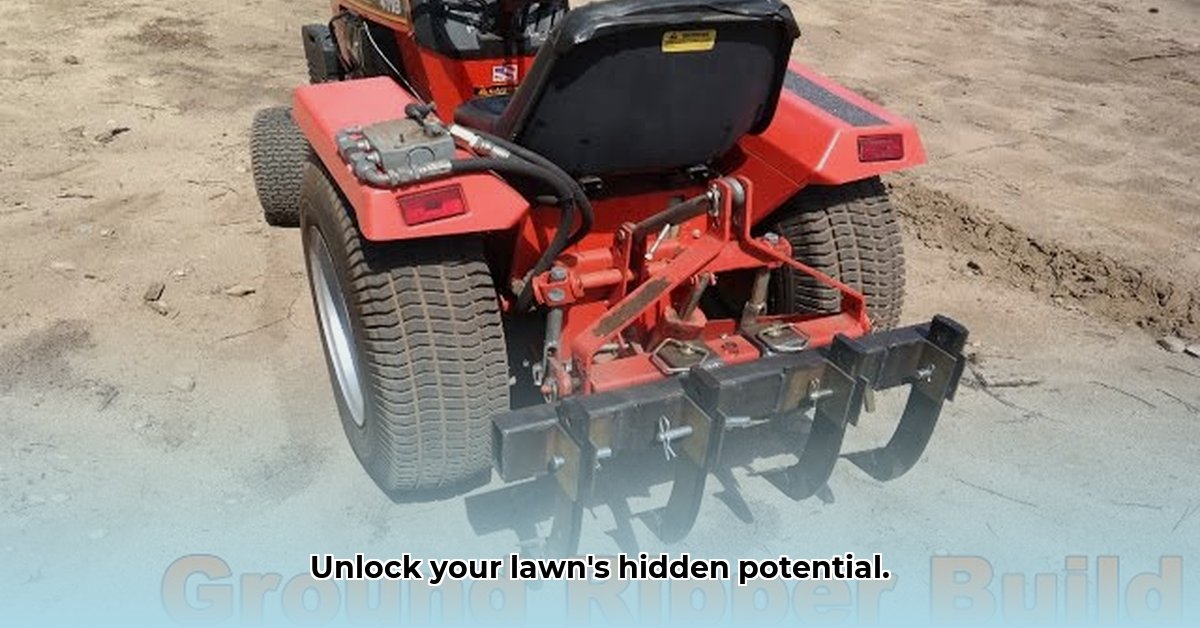
Lawn Tractor Tiller Attachment: Your Guide to Sustainable Soil Prep
Ready to transform your lawn and garden? A lawn tractor tiller attachment can dramatically simplify soil preparation, leading to healthier plants and a more bountiful harvest. This guide will equip you with the knowledge to select, install, operate, and maintain your tiller attachment effectively and sustainably. We'll delve into the advantages and considerations of tilling versus no-till methods, ensuring you make informed choices for your soil and the environment. For more detailed information, check out this helpful resource.
Choosing the Right Tiller Attachment: Finding Your Perfect Match
Selecting the correct tiller attachment hinges on several key factors. Careful consideration ensures optimal performance and avoids potential damage to your lawn tractor or soil.
Project Scale: Larger areas benefit from wider tillers for increased efficiency. Smaller gardens or intricate landscaping require narrower attachments. Consider the area you need to cultivate.
Tilling Depth: Adjustable tilling depth is a valuable feature. Heavily compacted soil requires deeper tilling, while lighter soils need only shallow cultivation. Matching the depth to your specific soil type optimizes results.
Tractor Horsepower: Always consult your lawn tractor's owner's manual to determine the appropriate horsepower for your tiller attachment. Overloading your tractor can lead to serious damage. Ensure the tiller's power requirements align with your tractor's capabilities.
Soil Type: Different soil types respond differently to tilling. Clay soils demand more robust tillers than sandy soils. Choosing a tiller designed for your soil type significantly impacts efficiency and overall outcome.
Additional Features: Explore optional features like easy-to-use controls or rear PTO (Power Take-Off) engagement for enhanced convenience and maneuverability.
Here’s a handy table summarizing key considerations:
| Feature | Considerations |
|---|---|
| Tilling Width | Larger areas need wider tillers; smaller gardens suit narrower tillers. |
| Tilling Depth | Adjust based on soil type and project. Deeper for hard-packed soil. |
| Horsepower Need | Always check your tractor’s manual to avoid overloading your equipment. |
| Soil Type | Clay soil needs a robust tiller; sandy soil may only need a lighter one. |
| Additional Features | Consider features that might make operation easier or more convenient. |
Isn't it crucial to match the tiller's capabilities to your specific needs? What other factors should you consider when choosing a tiller attachment?
Installing Your Tiller Attachment: A Step-by-Step Guide
Safety is paramount throughout the installation process. Always ensure the parking brake is engaged and the tractor is turned off before proceeding. The following steps provide general guidance; always refer to your tiller's and tractor's manuals for specific instructions.
Prepare Your Tractor: Position your tractor on a level surface and disengage the PTO.
Precise Alignment: Carefully align the tiller with the tractor's hitch. Ensure a perfect fit for secure attachment.
Secure Connection: Use the appropriate bolts, pins, or other fasteners specified in your tiller's manual to firmly attach the tiller to the hitch. A loose connection poses a serious safety hazard.
PTO Connection: Engage the PTO according to your tractor's manual to power the tiller's spinning blades.
Test Run: Perform a brief test run at a slow speed to confirm proper operation and identify any potential issues.
Operating and Maintaining Your Tiller: Best Practices
Proper operation and regular maintenance are essential for optimal performance and longevity.
Gradual Speed Increase: Begin tilling at a low speed, gradually increasing as needed.
Overlapping Passes: Ensure even tilling by slightly overlapping each pass.
Depth Adjustment: Adjust the tilling depth based on soil conditions. Harder soils may require deeper tilling.
Regular Maintenance: Regularly inspect the tines, bearings, and other parts for wear and tear. Lubricate moving parts as recommended by the manufacturer. Preventive maintenance prevents costly repairs. Studies show that regular maintenance significantly extends equipment lifespan.
Troubleshooting: Solving Common Tiller Problems
Addressing common issues promptly ensures continued efficient operation.
Tiller Non-Engagement: Check the PTO engagement and all wiring connections.
Excessive Vibration: Inspect for loose parts or worn bearings. Tighten loose parts and replace worn ones.
Uneven Tilling: Adjust the depth setting or increase overlap between passes.
Engine Stalling: Your tractor may lack sufficient horsepower. Consider a lighter-duty tiller attachment.
Sustainable Soil Cultivation: Tilling Responsibly
While tilling enhances soil preparation, it's essential to consider its environmental impact. Excessive tilling can harm soil structure, leading to erosion and reduced fertility. Minimize tilling whenever feasible and explore alternative methods like cover crops and no-till gardening techniques to maintain soil health. Choosing a sustainable approach protects your soil’s long-term health and vitality.
"Responsible tilling is about finding a balance between soil preparation and environmental stewardship," says Dr. Emily Carter, Soil Scientist at the University of California, Berkeley.
How to Choose Between a Tiller and Cultivator for Sustainable Farming Practices
The decision between a tiller and a cultivator depends on specific needs and priorities.
Key Takeaways:
- Tillers are effective for deep soil preparation but can negatively impact soil structure.
- Cultivators are gentler, ideal for maintaining existing beds and minimizing soil disruption.
- The best choice depends on soil type, farming scale, and sustainability goals.
- Prioritize reduced tillage or no-till methods where possible.
Conclusion
This guide provides a foundation for successfully using a lawn tractor tiller attachment. Remember, careful selection, proper installation, consistent maintenance, and sustainable practices combine to ensure optimal results and long-term soil health. Happy gardening.